Presented by Glacier’s Glacier Yeti the Yeti

Welcome, Michigan! Let’s join Glacier’s Yeti “Glacier Yeti” as our friendly Michigan forest ranger!
As we read, he will guide us through the amazing world of morel, aka morchella, mushroom hunting!
Whether you’re a curious first-timer or a seasoned forager, Glacier Yeti’s Morel Mushroom Guide 2025 is packed with everything you need to explore the woods with confidence and care.
Shroom fans!  It’s Glacier Yeti, your fluffy, friendly guide from Glacier Cannabis. Spring has sprung, and that means one thing—it’s Morel season! Whether you’re a seasoned forager or new to mushroom hunting, I’ve got you covered with a fun, accurate, and super-useful guide for finding these delicious treasures in Michigan.
“Morel hunting is nature’s treasure hunt. Respect the woods, keep your eyes sharp, leave no trace and the forest will reward you!” — Glacier Yeti

Best Time of Year: Late April to early June is prime time.
Morels love warm days and cool nights, especially after a good rain when soil temperatures consistently hit 50–60°F.
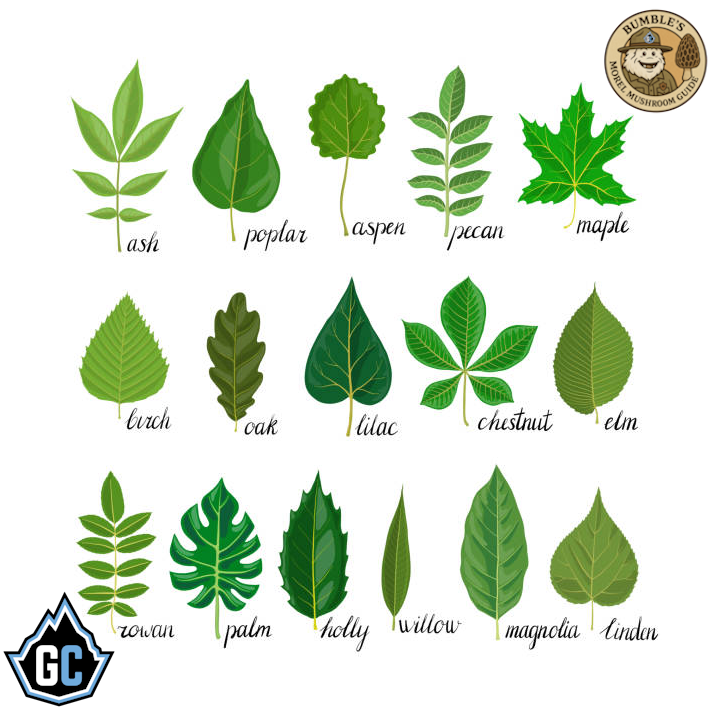
“My secret spot? Anywhere Mother Nature has shaken things up—like old logging trails or burn areas!” — Glacier Yeti
Secret Strategy: Morels absolutely love areas that have recently experienced fires.
Recent burn sites, whether from wildfires or controlled burns, can become morel goldmines. The nutrient-rich ash combined with cleared vegetation creates perfect conditions for rapid morel growth. Check Michigan’s interactive DNR burn permit map regularly to pinpoint exactly where recent fires have occurred.
 Michigan DNR Burn Permits
  Click Here!
This is your ultimate treasure map for uncovering new & abundant morel sites!

“If you see recent burns on the map, grab your gear! You might just hit the morel jackpot.” — Glacier Yeti
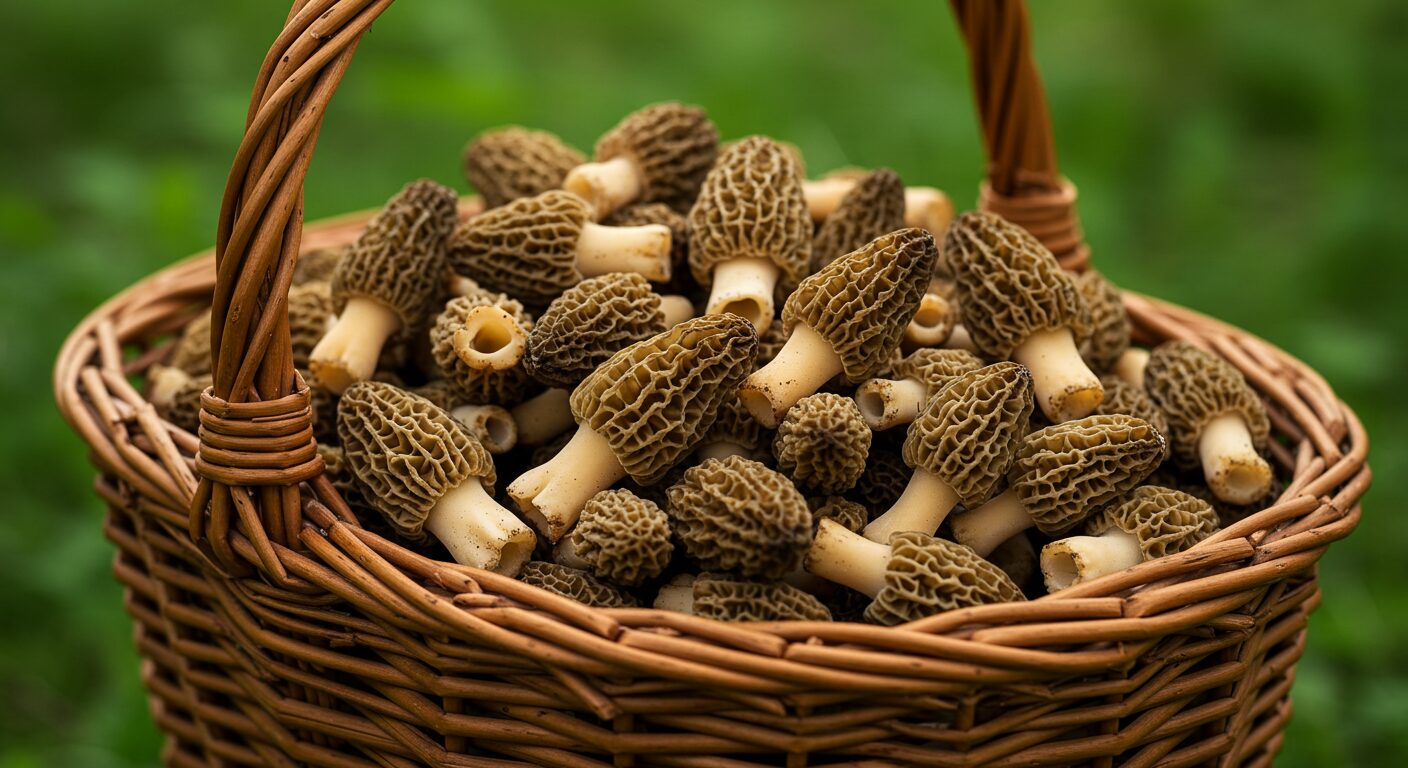
Get a proper mushroom field guide!
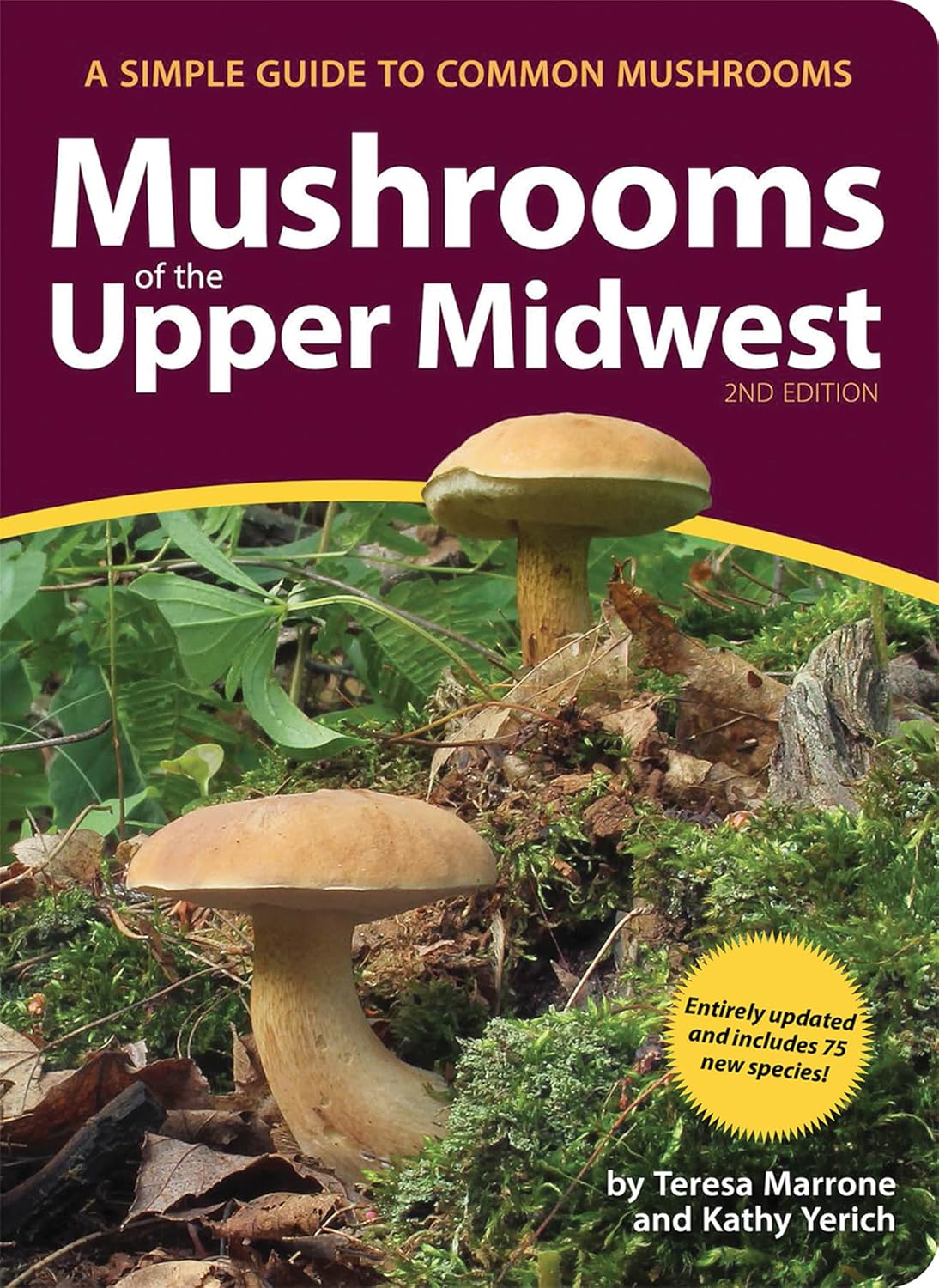
I can recommend “A Simple Guide to Common Mushrooms — Mushrooms of the Upper Midwest 2nd Edition“ by Teresa Marrone and Kathy Yerich for the Michigan area.
DISCLAIMER: DANGER! RISK OF DEATH! Be safe! Never gamble with wild shrooms. Never take chances or assume “it will probably be fine” because even experts have lost their lives over mistaken species, so just imagine how dangerous it is for a novice. Also, as much as this guide is here to help, DO NOT rely on the example images here for field identifying and make sure you have a proper field guide and guide book.
Remember: Experienced mycologists have perished because how of similar they can look. Like Glacier Yeti says, “When it doubt, throw it out!” 
“Morels can fruit from sclerotia—underground survival structures—and can even lie dormant for over 10 years until the right conditions trigger a bloom.” — Glacier Yeti
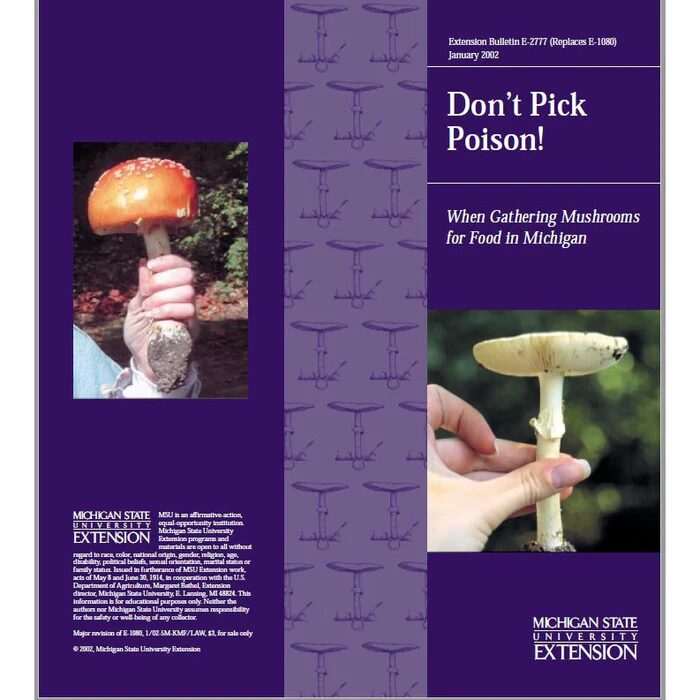
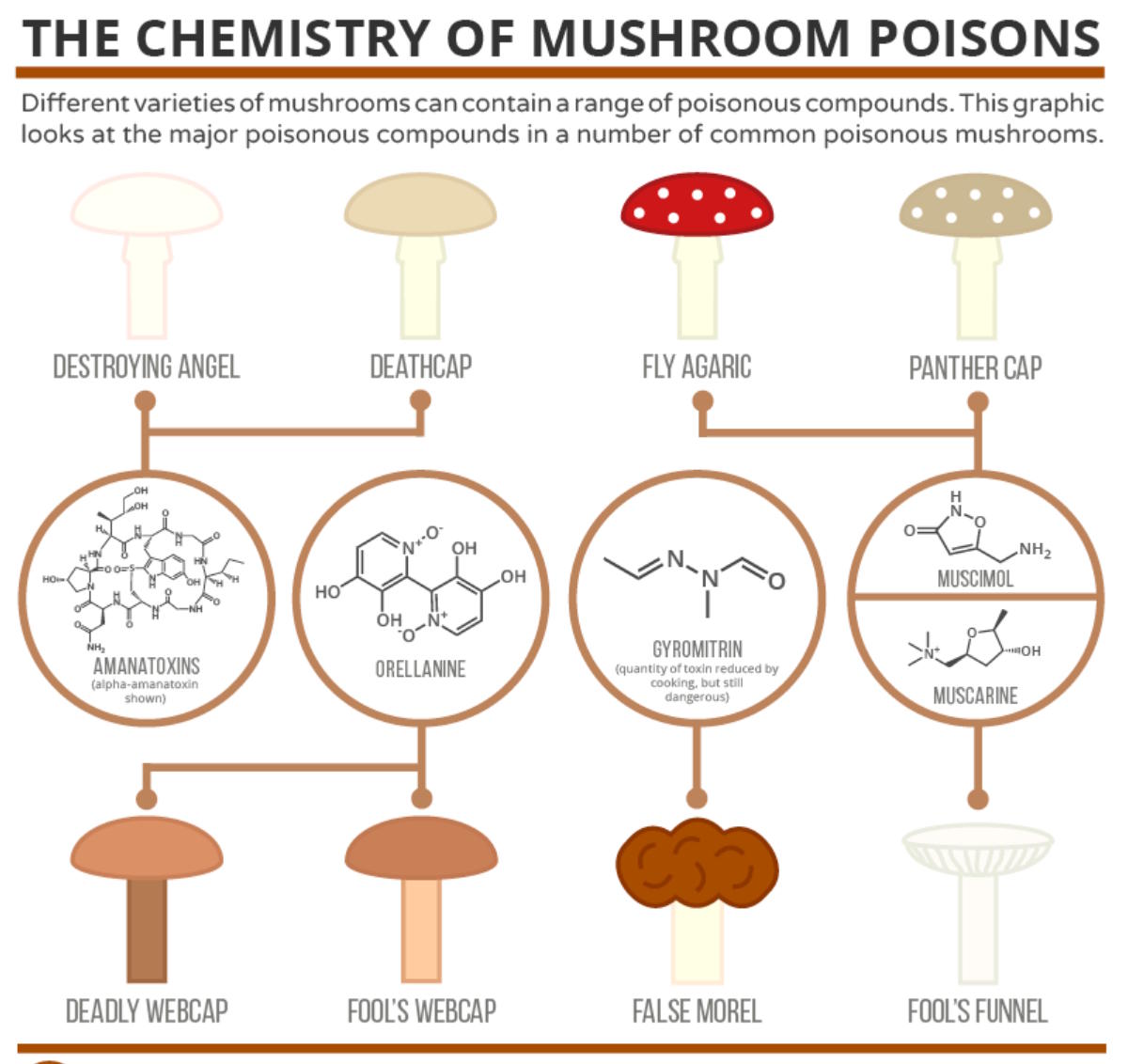
Don’t Pick Poison! 2015 — MSU Available via the webshop at Michigan State University — Cost: $5 Click here PDF Version — Cost: $0 (Free) Click Here | Various Mushroom Toxins |
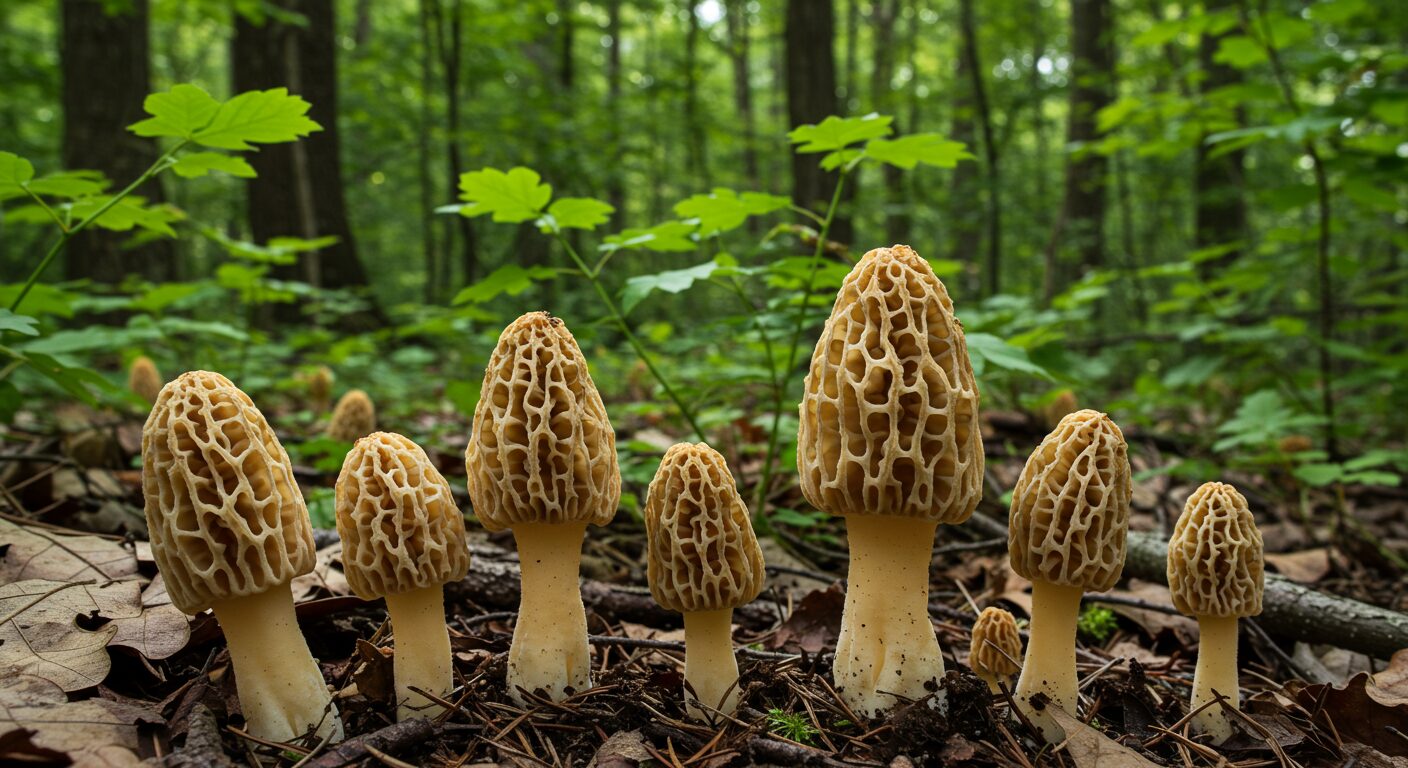
 True Morels (Morchella):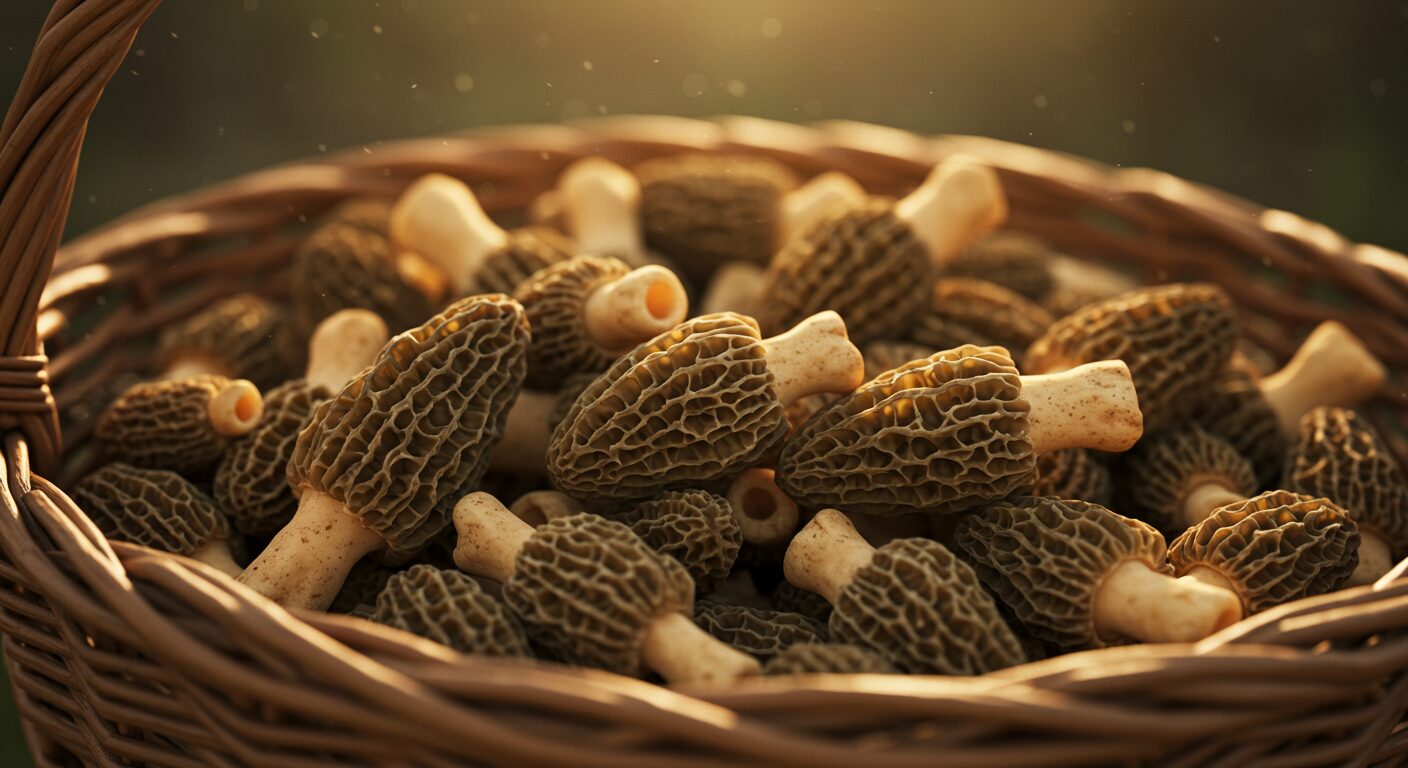
 Dangerous Mimics to Watch Out For:
There are MANY mushrooms that can hurt you but these species actually resemble a Morel in some way or another.
 False Morel (Gyromitra esculenta):
Half-Free Morel (Morchella punctipes):
Verpa (Verpa bohemica):
Please refer to a legit mushroom guide to compare notes. Do not trust Google search alone. Using silver to destroy the toxin is a myth.
 Important Safety Notes:
“When in doubt, toss it out! Your safety is always the tastiest ingredient.” — Glacier Yeti
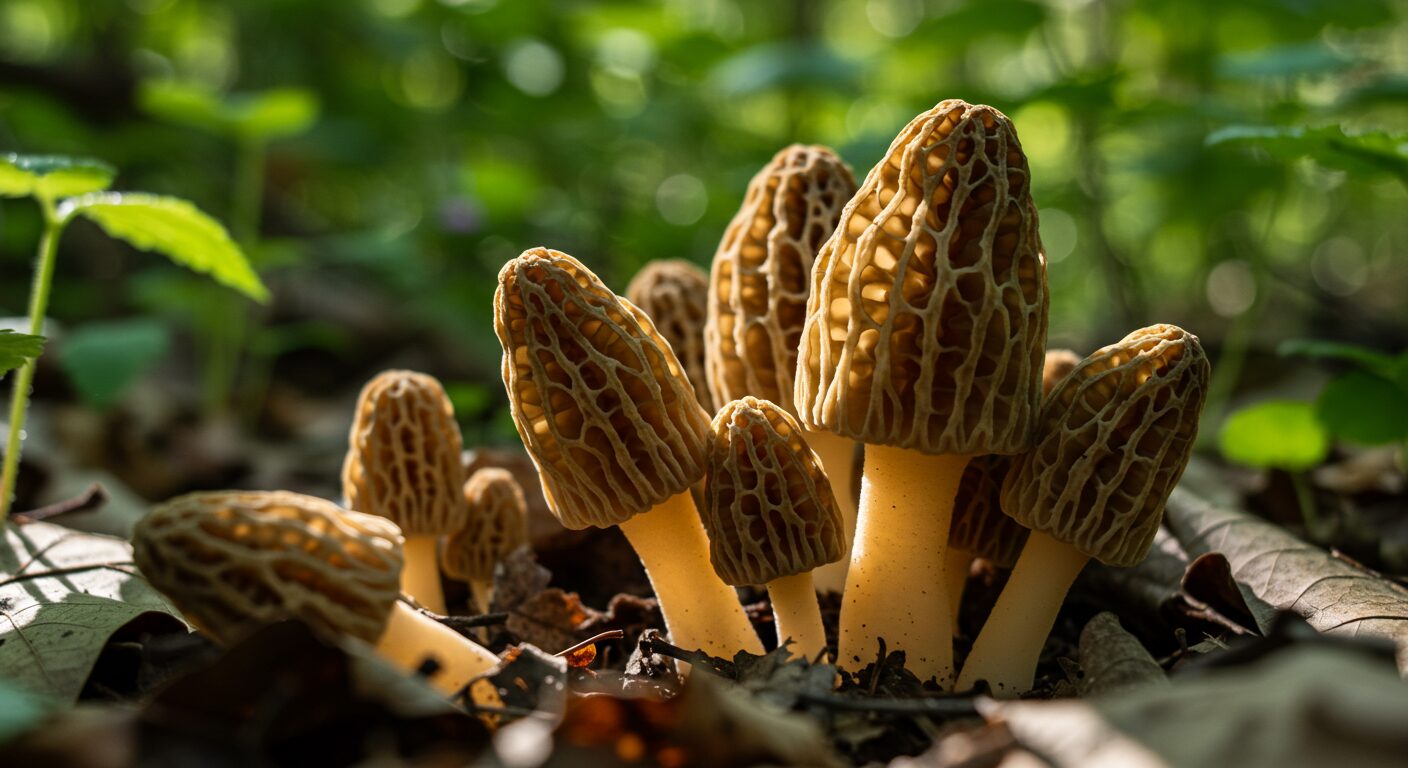
Protect the precious underground network of mycelium by gently twisting or carefully cutting mushrooms at the base without disturbing the soil beneath. Use a sharp, sterile knife and cut as close to the ground as you can.
Avoid pulling or digging into the ground as it damages the mycelium, reducing future harvests.
Clean your specimen of dirt and debris, then collect them in a porous bag like an onion bag or potato bag or cheesecloth so that the falling spores will fall on the ground as you walk around looking for more! This will make more patches appear next year, each and every time you do this. Spread those spores!
Morels are notoriously difficult to cultivate commercially due to their very specific environmental requirements and symbiotic relationships with trees. This makes wild morels especially valuable—often fetching premium prices at markets and gourmet restaurants.

“Morels are known to fruit prolifically after forest fires — especially in the first spring following a burn. This phenomenon is called fire fruiting” — Glacier Yeti
Found a morel haul of your own? Went out out a shroom finding adventure with friends? Capture your discoveries and tag @Glacier.MI online to join in the community!
Let’s spread the joy and share knowledge, building an incredible group of responsible mushroom hunters.
— Glacier Yeti the Yeti (Glacier Cannabis)
NOTE: Any questions? Comments? You found the biggest morel EVER!? We would love to see!
Stop by our Contact Page and let your voice be heard. Tap in with Glacier via Instagram, Facebook, YouTube, or our website as well.
Disclaimer: Wild mushrooms can be extremely dangerous if misidentified. Consumption of incorrectly identified mushrooms can lead to serious illness, irreversible organ damage, or death. This guide provides general tips but is not a substitute for professional advice. Always consult a trusted expert or local mushroom identification resource before consuming any wild mushrooms. Glacier Cannabis, Glacier Yeti, and affiliated parties accept no responsibility for any injuries, illnesses, or damages resulting from foraging or consumption decisions.
Presented by Glacier’s Glacier Yeti the Yeti
Welcome, Michigan! Let’s join Glacier’s Yeti “Glacier Yeti” as our friendly Michigan forest ranger!
As we read, he will guide us through the amazing world of morel, aka morchella, mushroom hunting!
Whether you’re a curious first-timer or a seasoned forager, Glacier Yeti’s Morel Mushroom Guide 2025 is packed with everything you need to explore the woods with confidence and care.
Shroom fans! It’s Glacier Yeti, your fluffy, friendly guide from Glacier Cannabis. Spring has sprung, and that means one thing—it’s Morel season! Whether you’re a seasoned forager or new to mushroom hunting, I’ve got you covered with a fun, accurate, and super-useful guide for finding these delicious treasures in Michigan.
“Morel hunting is nature’s treasure hunt. Respect the woods, keep your eyes sharp, leave no trace and the forest will reward you!” — Glacier Yeti
Best Time of Year: Late April to early June is prime time.
Morels love warm days and cool nights, especially after a good rain when soil temperatures consistently hit 50–60°F.
“My secret spot? Anywhere Mother Nature has shaken things up—like old logging trails or burn areas!” — Glacier Yeti
Secret Strategy: Morels absolutely love areas that have recently experienced fires.
Recent burn sites, whether from wildfires or controlled burns, can become morel goldmines. The nutrient-rich ash combined with cleared vegetation creates perfect conditions for rapid morel growth. Check Michigan’s interactive DNR burn permit map regularly to pinpoint exactly where recent fires have occurred.
Michigan DNR Burn Permits Click Here!This is your ultimate treasure map for uncovering new & abundant morel sites!
“If you see recent burns on the map, grab your gear! You might just hit the morel jackpot.” — Glacier Yeti
Get a proper mushroom field guide!
I can recommend “A Simple Guide to Common Mushrooms — Mushrooms of the Upper Midwest 2nd Edition“ by Teresa Marrone and Kathy Yerich for the Michigan area.
DISCLAIMER: DANGER! RISK OF DEATH! Be safe! Never gamble with wild shrooms. Never take chances or assume “it will probably be fine” because even experts have lost their lives over mistaken species, so just imagine how dangerous it is for a novice. Also, as much as this guide is here to help, DO NOT rely on the example images here for field identifying and make sure you have a proper field guide and guide book.
Remember: Experienced mycologists have perished because how of similar they can look. Like Glacier Yeti says, “When it doubt, throw it out!”
“Morels can fruit from sclerotia—underground survival structures—and can even lie dormant for over 10 years until the right conditions trigger a bloom.” — Glacier Yeti
Don’t Pick Poison! 2015 — MSU Available via the webshop at Michigan State University — Cost: $5 Click here PDF Version — Cost: $0 (Free) Click Here | Various Mushroom Toxins |
True Morels (Morchella):
Dangerous Mimics to Watch Out For:There are MANY mushrooms that can hurt you but these species actually resemble a Morel in some way or another.
False Morel (Gyromitra esculenta):
Half-Free Morel (Morchella punctipes):
Verpa (Verpa bohemica):
Please refer to a legit mushroom guide to compare notes. Do not trust Google search alone. Using silver to destroy the toxin is a myth.
Important Safety Notes:“When in doubt, toss it out! Your safety is always the tastiest ingredient.” — Glacier Yeti
Protect the precious underground network of mycelium by gently twisting or carefully cutting mushrooms at the base without disturbing the soil beneath. Use a sharp, sterile knife and cut as close to the ground as you can.
Avoid pulling or digging into the ground as it damages the mycelium, reducing future harvests.
Clean your specimen of dirt and debris, then collect them in a porous bag like an onion bag or potato bag or cheesecloth so that the falling spores will fall on the ground as you walk around looking for more! This will make more patches appear next year, each and every time you do this. Spread those spores!
Morels are notoriously difficult to cultivate commercially due to their very specific environmental requirements and symbiotic relationships with trees. This makes wild morels especially valuable—often fetching premium prices at markets and gourmet restaurants.
“Morels are known to fruit prolifically after forest fires — especially in the first spring following a burn. This phenomenon is called fire fruiting” — Glacier Yeti
Found a morel haul of your own? Went out out a shroom finding adventure with friends? Capture your discoveries and tag @Glacier.MI online to join in the community!
Let’s spread the joy and share knowledge, building an incredible group of responsible mushroom hunters.
— Glacier Yeti the Yeti (Glacier Cannabis)
NOTE: Any questions? Comments? You found the biggest morel EVER!? We would love to see!
Stop by our Contact Page and let your voice be heard. Tap in with Glacier via Instagram, Facebook, YouTube, or our website as well.
Disclaimer: Wild mushrooms can be extremely dangerous if misidentified. Consumption of incorrectly identified mushrooms can lead to serious illness, irreversible organ damage, or death. This guide provides general tips but is not a substitute for professional advice. Always consult a trusted expert or local mushroom identification resource before consuming any wild mushrooms. Glacier Cannabis, Glacier Yeti, and affiliated parties accept no responsibility for any injuries, illnesses, or damages resulting from foraging or consumption decisions.