


Federal Hemp THC Ban: What Michigan Cannabis Consumers Should Know
In late 2025, U.S. Congress passed legislation banning most hemp-derived THC products, including delta-8, delta-10, THCA edibles and vapes.
While this move is federal, it carries major consequences for Michigan’s cannabis market, including both licensed adult-use operators and hemp-based retailers.
Sponsored Content
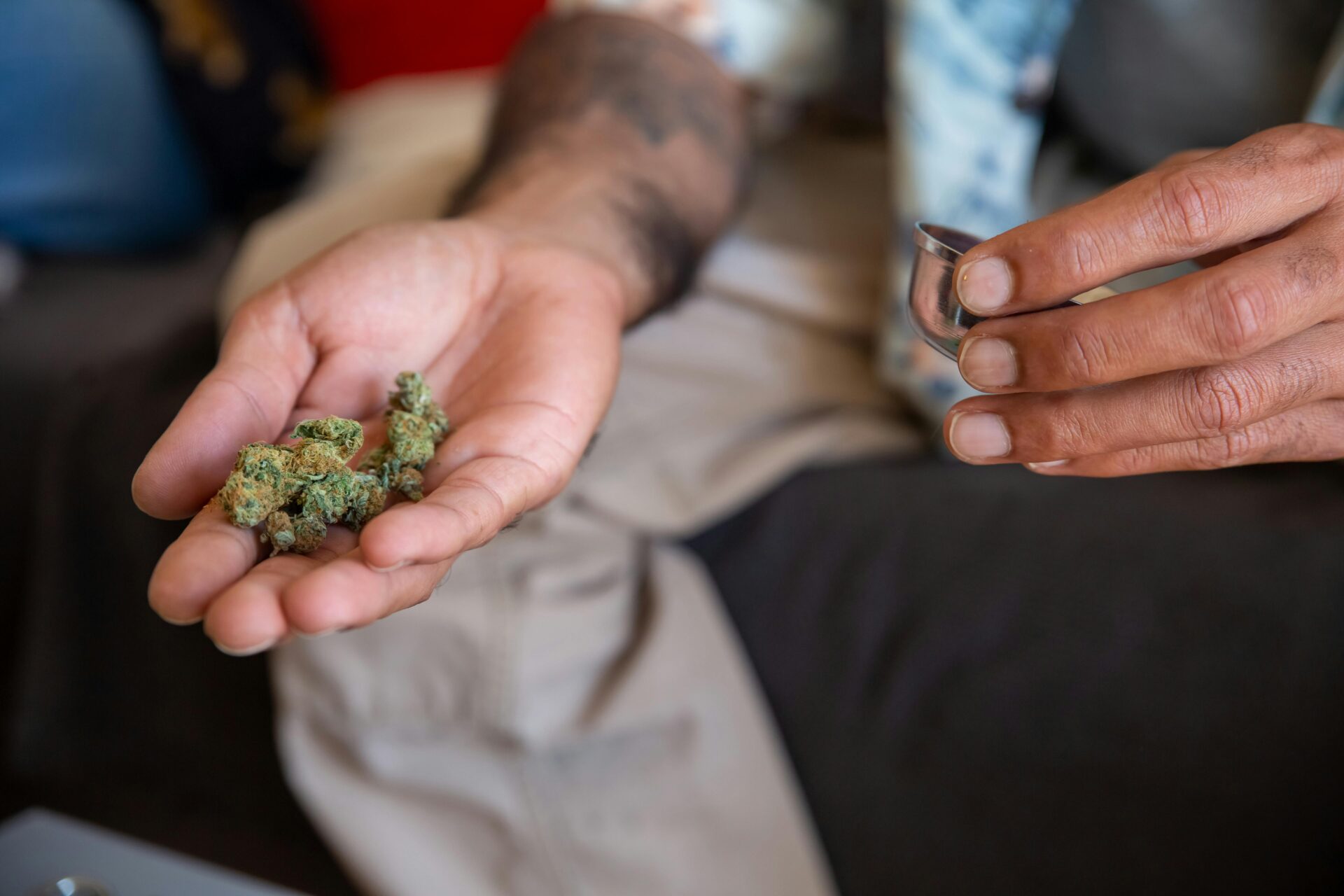 Cannabis consumer shows off his stash of nugs
What the Ban Does
- Redefines “hemp” in federal law: Cannabinoids that previously benefited from the 2018 Farm Bill loophole (delta-8, delta-10, THCA, etc.) are now classified as controlled substances.
- Outlaws most hemp-derived THC products nationwide, giving sellers until roughly late 2026 to get compliant or close shop.
- Removes a large portion of the “grey-market” THC supply that has co-existed alongside regulated cannabis: a market once estimated in the tens of billions.
Divergent Lenses, Common Impact
Trade publications are framing the ban as a dramatic shake-up: a $28-billion segment is being erased, forcing many small businesses and retailers to shut down or pivot quickly. The tone underscores financial risk, shattered business models, and urgency for adaptation.
Outlets focusing on regulation and public health emphasize safety concerns: untested THC-products often sold in gas stations and convenience stores posed consumer-risk, especially to youth. The ban is portrayed as a consumer-safety win.
“Does this ban protect more than it hurts legal business?” – Michigan Dispensary Visitor
Voices critical of prohibition warn the ban could punish legitimate hemp farmers and small entrepreneurs, pushing consumer demand back into the unregulated black market. They argue that regulation, not bans, should address safety.
Michigan-based outlets note two major local effects: licensed dispensaries may see increased demand as former hemp-THC consumers migrate over, and small hemp retailers will face closures. The coverage mixes cautious optimism for legal operators with concern for small local shops.
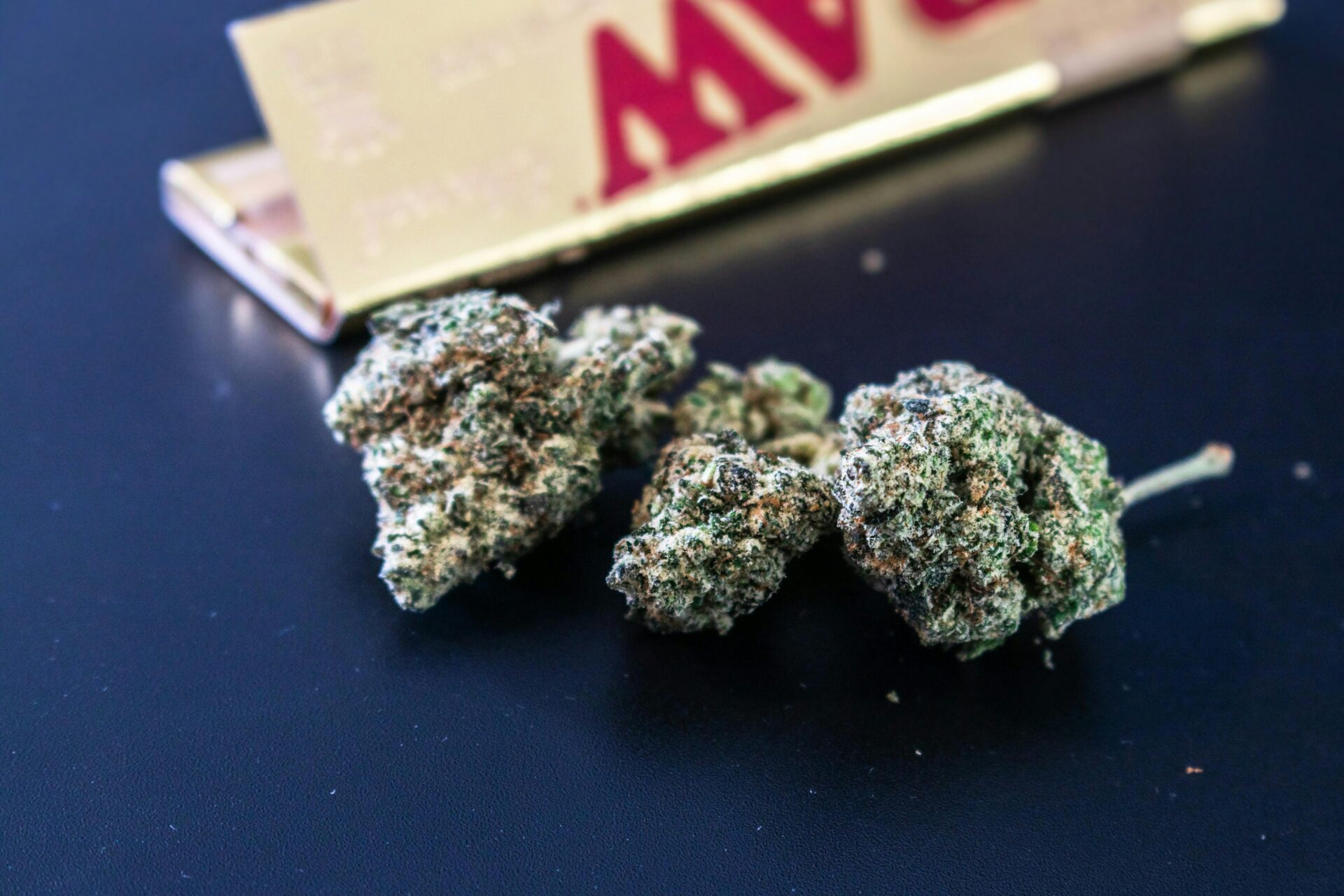 Close-up photo of marjiuana buds
What This Means for Michigan
- Supply shift likely toward regulated cannabis. With hemp-derived THC off the table, licensed dispensaries could absorb former grey-market demand.
- Compliance and transparency become critical. Customers newly migrating to legal cannabis will expect lab-tested, compliant products and methods that brands like Glacier already use.
- Opportunity for premium & legacy brands. As cheaper hemp-THC disappears, premium flower/concentrates and trusted branding gain advantage.
- Possible short-term supply stress. Surge in demand may temporarily outpace supply, which is a good time to ensure inventory, but also to highlight quality and consistency.
- Hemp-based retailers need to pivot or exit. Small shops reliant on hemp-THC may close or reorient toward compliance or other product categories.
Looking Ahead and What to Watch For
- Will state regulators in Michigan update guidelines to reflect the federal ban including new compliance, testing, or licensing requirements?
- How will retailers price relative to previous hemp-THC products? Will regulated cannabis see a price spike or discount strategy to capture former hemp customers?
- Will black-market hemp-THC sales resurface underground? And how will enforcement respond?
- Will new hemp-derived cannabinoid research push lawmakers to revisit restrictions? Further tighten regulation?
 “Spark it up!” says a proponent of cannabis as he lights up a joint
Bottom Line for Consumers & Industry Players
The federal hemp-THC ban represents a turning point. For Michigan’s legal cannabis industry, it’s both a challenge and an opportunity. Market disruption will create stress for non-compliant operators; but for transparent, compliant brands like Glacier and Igloo, stability and quality may win big.
One benefit is that consumers should expect fewer “grey-market” alternatives, and a clearer path toward licensed, tested cannabis.
Stay smart. Stay compliant. Stay frosty.
-Joe “Magic Plants” Montgomery
Glacier News Team
Sources
Post Tags :
- delta 8 illegal Michigan
- federal hemp THC ban impact
- hemp THC ban Michigan 2025
- hemp vs marijuana Michigan
- licensed cannabis vs hemp Michigan
- Michigan cannabis compliance news
- Michigan cannabis consumer news
- Michigan cannabis industry update
- Michigan cannabis market news
- Michigan cannabis policy update
- Michigan cannabis pricing trends
- Michigan cannabis regulation changes
- Michigan cannabis retail trends
- Michigan cannabis supply shift
- Michigan delta 8 ban
- Michigan dispensary market shift
- Michigan dispensary traffic surge
- Michigan grey market THC ban
- Michigan hemp shop closures
- Michigan hemp THC ban
- Michigan legal weed updates
- Michigan THC edibles ban
- Michigan vape legality 2025
- Michigan weed buying guide 2025
- THCA ban Michigan